
Quality You Can Trust, Service You Can Rely On

Asphalt Paving and Tar & Chip Services in Western New York
Bartz & Son Contracting LLC specializes in asphalt paving and tar and chip for driveways, private roads, and commercial properties across Western New York. Alongside those two core services, we handle the repair, maintenance, site work, and winter services that keep those surfaces performing. From Ellicottville, NY to the suburbs of Buffalo, we are here for fast, reliable service you can count on all year long.
Fast, Accurate Estimates, Typically Within 48 Hours
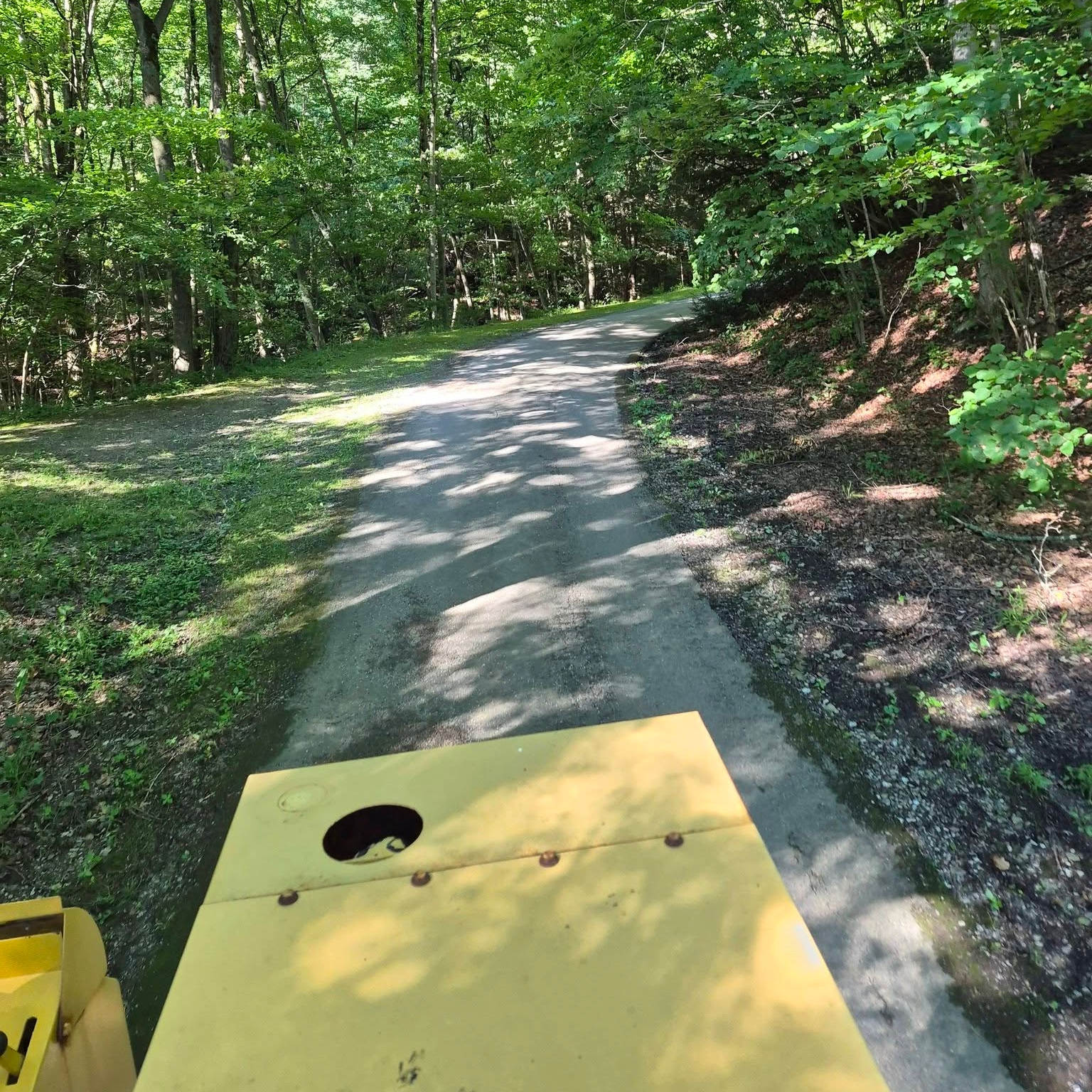
Asphalt Paving
Bartz & Son Contracting LLC installs asphalt driveways, parking lots, and private roads throughout Western New York. We are a family-owned company that handles the full project with our own crew, from the first cut of excavation through final compaction, so nobody is pointing fingers at a subcontractor if something needs attention.
Residential Driveway Paving
A driveway is the first thing anyone sees when they pull up to your home, and it’s also the surface your vehicles live on every day. We design each driveway with drainage in mind so water moves off the surface instead of pooling and working its way into the base.
Our residential installations use premium limestone for the subbase. Limestone costs more than the alternatives, and we use it anyway, because the subbase is the part of the job you can’t go back and fix later. Finished driveways receive 2.5 to 3 inches of compacted asphalt.
Commercial Paving and Parking Lots
Commercial properties have requirements a driveway doesn’t: traffic flow, ADA-accessible spaces, drainage across a larger footprint, and surfaces that hold up under delivery trucks and constant turnover.
We pave and resurface parking lots for retail centers, office buildings, churches, apartment complexes, and industrial properties across Western New York. We also handle line striping so the lot is finished and ready to use when we leave the site.
Private and HOA Road Paving
Private roads, shared drives, and homeowners association roads sit in a category of their own. They carry more traffic than a driveway and often need to be coordinated among several property owners or approved by a board.
We work with HOA boards, property managers, and groups of neighbors to scope these projects and provide the documentation needed for a vote or a budget cycle. Where a full asphalt installation is more than the road calls for, we’ll also price it as a chip seal application so you can compare.
Our Asphalt Installation Process
1
Site preparation and excavation. We excavate to the depth the project requires and establish proper grade and drainage. Shortcuts here show up later as cracking and pooling, so we dig deep and do it right.
2
Stone base installation and compaction. Premium limestone is installed and compacted to create a stable, load-bearing foundation.
3
Asphalt installation and leveling. Asphalt is laid and leveled across the prepared base.
4
Final compaction and finishing. The surface is compacted to 2.5 to 3 inches and finished, with edges cleaned up and the site left tidy. We haul away excess material rather than leaving it for you to deal with.
New Installation, Resurfacing, or Repair?
Not every aging driveway needs to be torn out. If your surface has isolated cracks or worn areas but the base underneath is still sound, asphalt repair or resurfacing may get you where you want to go for considerably less.
Widespread cracking in an alligator-skin pattern usually points to a base problem, and in that case a new installation is the more sensible investment. We’ll tell you which category your surface falls into when we come out. You can also see more on our FAQ page.
Tar & Chip / Chip Seal
Depending on who you ask and where in the country they grew up, this surface goes by tar and chip, chip seal, oil and chip, or tar-and-stone. They all describe the same thing: a layer of hot liquid asphalt applied over a prepared base, with crushed stone spread across it and rolled in while it’s still hot.
The result is a durable, textured surface that costs less than a full asphalt installation and holds up well on the long driveways and rural roads that are common across Cattaraugus, Erie, Allegany, and Wyoming Counties. It’s one of the two services Bartz & Son Contracting does most, alongside asphalt paving.
How the Tar & Chip Process Works
1
Site preparation and grading. We start by assessing the existing surface and the way water moves across it. Proper grading and drainage are the difference between a surface that holds up and one that fails early, so we take the time to get the base right before anything else happens. On a new installation this may include excavation and stone base work.
2
Base compaction. The stone base is compacted to create a stable, load-bearing foundation. A chip seal surface is only as good as what sits underneath it.
3
Liquid asphalt application. Hot liquid asphalt is applied evenly across the prepared surface. This is the “tar” or “oil” layer that binds everything together.
4
Stone chip spreading. Crushed stone is spread across the liquid asphalt immediately, while it’s still hot, so the stone embeds into the binder rather than sitting on top of it. Stone size and color are selected based on the application and the look you’re after.
5
Rolling and compaction. The surface is rolled to press the stone firmly into the asphalt layer and create a tight, uniform finish.
6
Curing and sweeping. The surface cures over the following days. Once it has set, we sweep off any loose stone that didn’t bond, leaving a clean, finished driveway or road.
Single, Double, and Triple Chip Applications
Not every surface calls for the same build. The number of chip layers is chosen based on traffic, existing conditions, and how the surface will be used.
Single chip seal. One layer of liquid asphalt with one layer of stone. A common choice for residential driveways with light traffic, and for refreshing an existing chip seal surface that has worn thin but is otherwise sound.
Double chip seal. Two full applications, typically with a larger stone on the first layer and a smaller stone on the second. The second layer locks the first in place and creates a tighter, smoother finish with better stone retention. This is the most common choice for new residential driveways and shared private roads.
Triple chip seal. Three applications, working from the largest stone to the smallest. This builds the thickest, most durable chip seal surface we offer. It’s a strong fit for long rural driveways, private roads carrying regular traffic, and commercial applications where the surface needs to stand up to heavier use.
Where Tar & Chip Works Best
Residential and long rural driveways
Chip seal is often the practical choice for long driveways. A rural drive running several hundred feet can get expensive fast in asphalt, and tar and chip covers that distance at a lower cost per foot while still giving you a solid, defined surface. The textured finish also provides good traction, which matters on sloped driveways in a part of the state that sees real winters.
Private and shared roads
Shared roads serving several properties are a natural fit. The cost is manageable when it’s being split among neighbors, and the surface handles regular residential traffic well. We work with property owners directly and with groups of neighbors coordinating a shared project.
HOA and community roads
Homeowners associations and residential communities use chip seal to maintain their roads on a predictable budget. We can walk the roads with your board or property manager, put together a scope, and provide documentation suitable for board review. Chip seal is also frequently used to extend the service life of existing community roads rather than replacing them outright.
Commercial applications
Chip seal works well for commercial lots, access drives, equipment yards, and rural business properties where a textured, hard-wearing surface is more practical than a finished asphalt lot. If you’re weighing chip seal against a full asphalt installation for a commercial property, we can price both.
Not sure which application fits your property? That’s what the estimate is for. We’ll look at the site, the traffic it carries, and the condition of the existing surface, and tell you what we’d recommend and why.
Benefits of a Tar & Chip Surface
- Lower cost than full asphalt paving, which makes a meaningful difference on long driveways and road projects
- Strong traction thanks to the textured stone finish, an advantage on hills and in winter conditions
- A natural, rustic appearance that suits rural and wooded properties, with stone color options available
- No sealcoating cycle required, unlike asphalt, which we recommend sealcoating every two to three years
- Can often be applied over a sound existing surface, reducing prep cost and time
- Well suited to the freeze and thaw cycles that Western New York properties deal with every year
Tar & Chip or Asphalt Paving: Which One Fits Your Project?
Both are good surfaces. They’re just built for different jobs.
Tar and chip tends to be the better fit when you’re surfacing a long driveway or private road, working within a defined budget, want a textured surface with good traction, or prefer a more rustic look.
Asphalt paving tends to be the better fit when you want a smooth uniform finish, are surfacing a commercial parking lot that needs line striping, plan to shovel or snowblow the surface regularly, or want the cleanest possible finished appearance.
We install both, so there’s no wrong answer from where we sit. Tell us about the property and we’ll give you an honest recommendation along with pricing for each option.
Commercial Snow & Ice Management
Western New York gets real winters. Lake effect bands can drop a foot on one town and skip the next one entirely, and for a commercial property that means the difference between opening on time and turning customers away at an unplowed entrance.
Bartz & Son Contracting LLC provides commercial snow plowing, salting, and ice management across Cattaraugus, Allegany, Erie, and Wyoming Counties. We’re on call 24 hours a day through the winter season.
Properties We Service
1
Commercial parking lots. Keeping lots clear and safe for customers, employees, and delivery vehicles, with snow stacked where it won’t block access or drainage.
2
Retail and business properties. Storefronts, plazas, office buildings, and service businesses that need entrances and lots cleared before opening.
3
HOA and condominium properties. Community roads, shared drives, and common areas, handled on a schedule your board and residents can count on.
4
Apartment and multi-family properties. Resident parking areas, drive aisles, and access points kept passable throughout the season.
5
Private roads. Shared and private roads that municipal plows don’t service, cleared on a route schedule.
Snow Plowing
Our crews plow to a defined trigger depth agreed on in your contract, so you know when we’re coming without having to call and ask. We plan stacking locations ahead of the season so snow doesn’t end up blocking spaces, entrances, or drainage. Routes are set before winter starts, and we monitor forecasts so the crew is staged before a storm rather than after it.
Salting, Deicing, and Ice Management
Plowing handles the snow. Ice is the part that generates the slip-and-fall calls.
We apply salt and deicing material to lots, drive aisles, and entrances, and we monitor conditions through the freeze and thaw cycles that follow a storm, when refreeze is the real hazard. Application can be scheduled with your plowing service or requested on an as-needed basis.
Seasonal Snow Contracts
Most commercial clients prefer a seasonal contract because it makes the winter predictable: a set scope, a set trigger depth, a known response, and a budget you can plan around instead of a stack of per-storm invoices you can’t forecast.
We build contracts around your property and your priorities, including which areas get cleared first, what time they need to be done by, and how salting is handled. Terms, scope, and coverage are defined in your written agreement.
Why Set Up Your Snow Contract Now
By the time the first real storm hits, routes are full. Contracted properties come first, and they should, because those are the commitments we’ve made.
Setting up your agreement in the fall means your property is on the route before the season starts, the scope is walked and documented while the lot is still visible, and you’re not calling around during a storm hoping somebody has capacity. It’s a short conversation now that saves a difficult one in January.
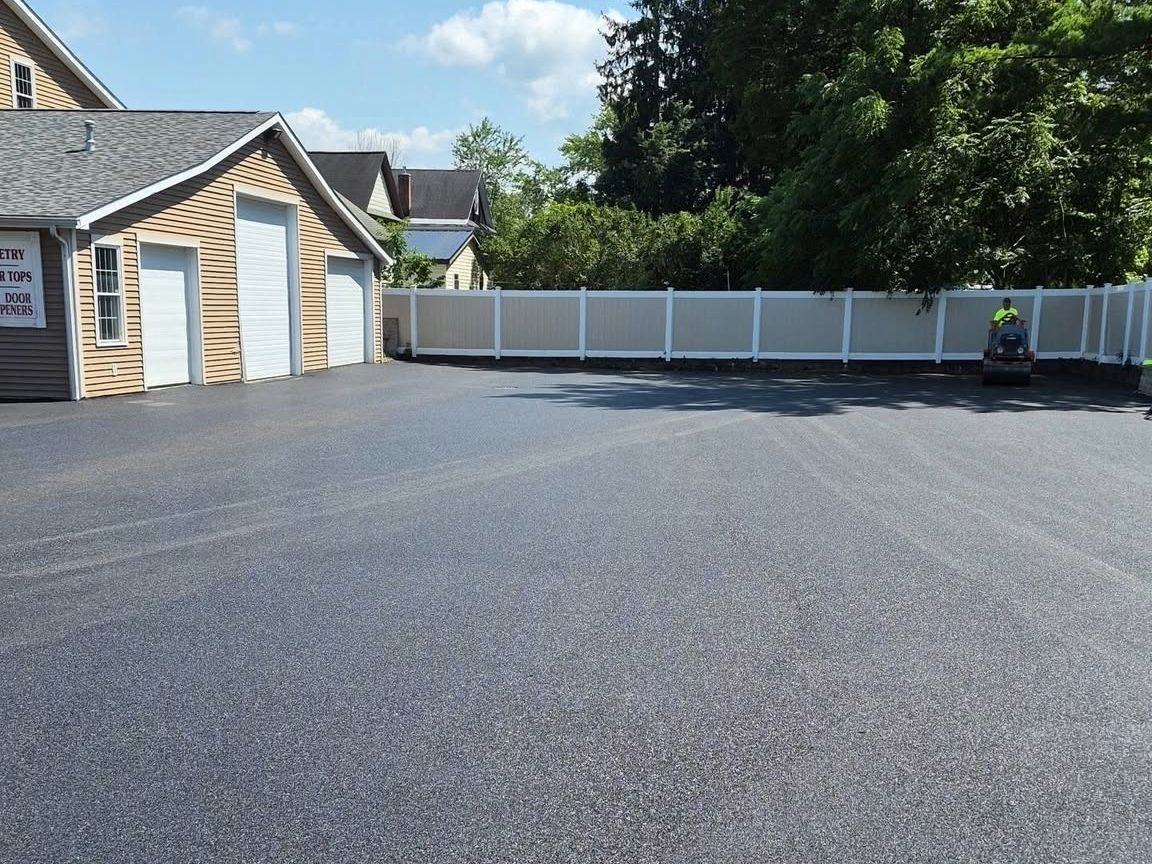
Asphalt Repair
When the cracks, uneven surfaces, or signs of wear and tear start showing on your property’s aging blacktop, it may be time for asphalt repair service. From weather damage to UV rays and unexpected oil spills, we know the toll these elements can take on your pavement. Rest assured, our team is here to assess the situation and provide you with expert recommendations, whether it’s a seal coat to revitalize the surface, resurfacing for a fresh look, or a complete new installation when that is the more practical long-term option.
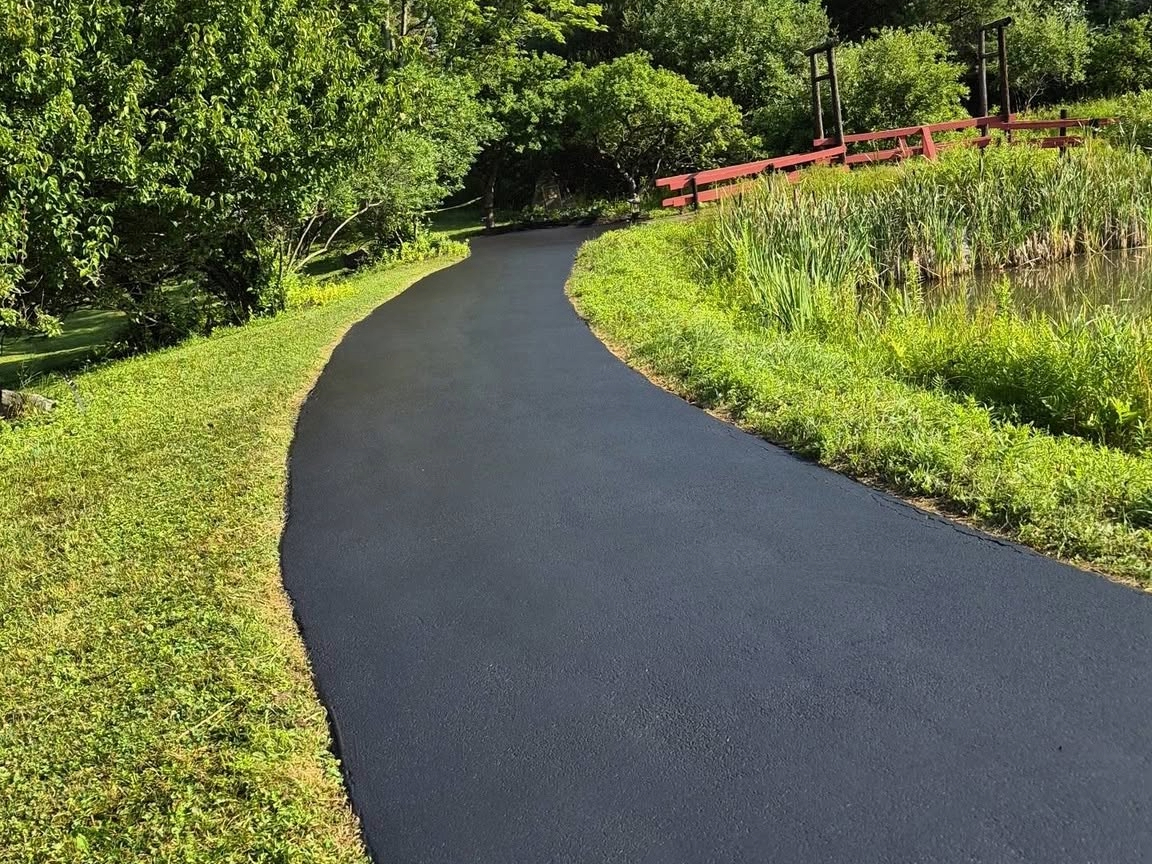
Sealcoating
Sealcoating applies a protective layer over your asphalt to shield it from UV rays, water, oil, and the freeze and thaw cycles that come with a Western New York winter. We recommend sealcoating every two to three years to help maintain protection and appearance.
Looking for a chip seal surface rather than a sealcoat? That’s a different service, and we handle that too. See our tar and chip services.
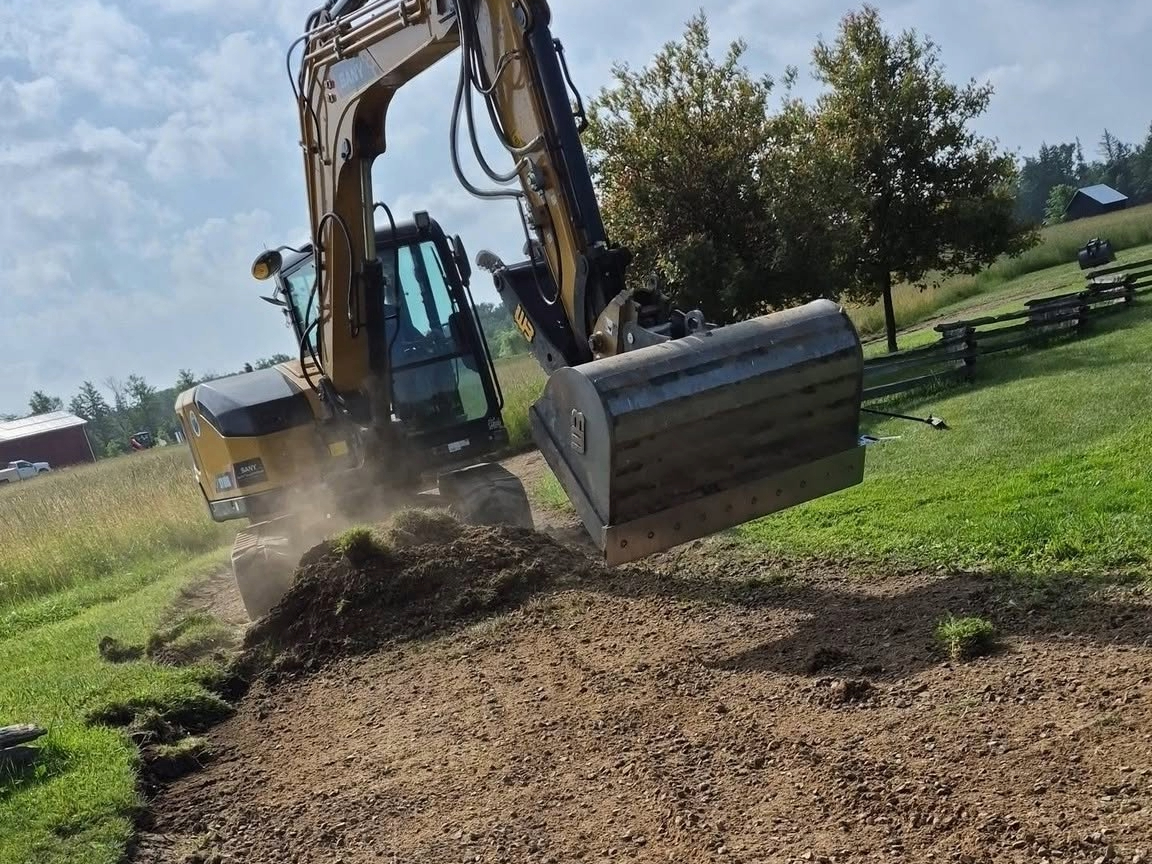
Excavation & Site Preparation
A driveway or road is only as good as what sits underneath it. We handle excavation and site preparation for paving and chip seal projects, establishing proper depth, grade, and drainage before any surface goes down. We also take on standalone site preparation work for properties getting ready for a build.
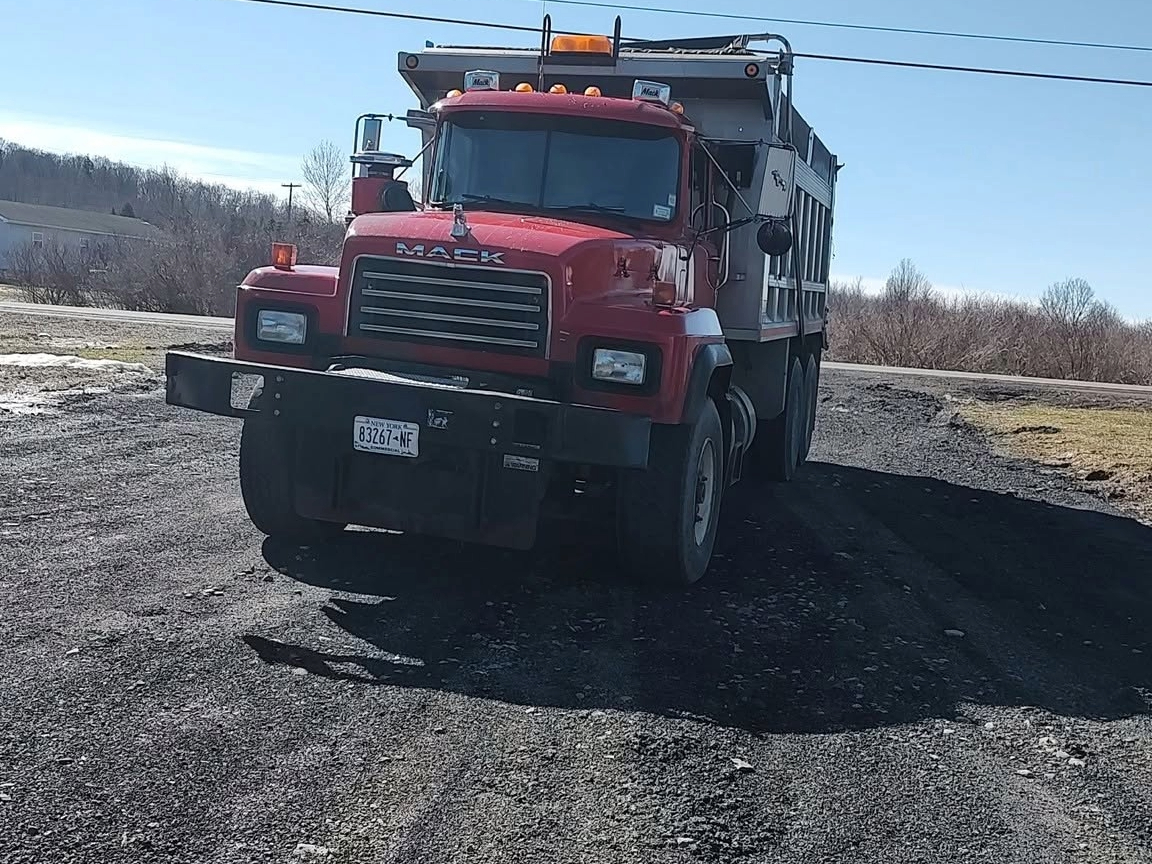
Hauling
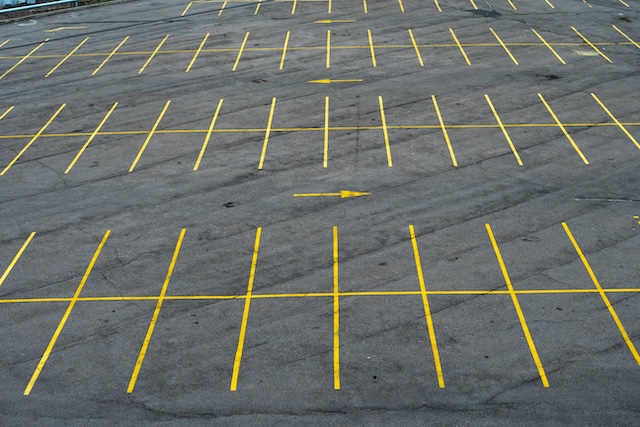
Line Striping
A freshly paved parking lot isn’t finished until it’s laid out. We stripe parking stalls, accessible spaces, fire lanes, directional arrows, and crosswalks for commercial lots, apartment complexes, and HOA properties. We handle striping on lots we pave and on existing lots that need to be re-striped after a few winters have worn the lines down.
From the first estimate to the final walkthrough, we treat your property the way we would treat our own.